All Categories
Featured

Researching Modern Apartments for Rent in 2026
Table of Contents
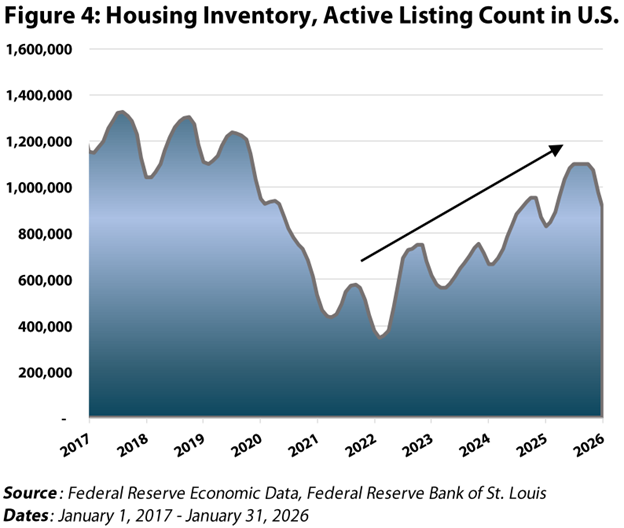
In 2026, rental supply is anticipated to continue outpacing need, driving down rents and increasing occupant mobilityespecially cross-market rental need. While more brand-new multifamily units are expected to enter the marketplace, a downturn in permitting activitypossibly linked to tariffs on building and construction materialscould present headwinds to future rental supply growth and put in upward pressure on rents. Young person renters, who lack access to historically high home equity to acquire a home, could make the most of this trend by looking for more economical choices and saving cash while doing so. When evaluating housing alternatives, it's important to think about both market patterns and for how long you plan to remain in your next home.
Expert Advice for Settling Into Unfamiliar NeighborhoodsBy providing customized insights, the tool helps users weigh current and future trade-offs. All real estate is local, and while the national trends are instructive, what matters most is what's anticipated in your local market.
0.6% 5.1% -4.1% 7.5% -4.3% 3.5% -13.6% 5.9% -3.5% -0.1% -4.9% 1.3% -7.0% 2.0% 1.8% 4.3% -2.6% 8.3% 7.1% 2.2% 0.0% 6.2% 3.7% -0.8% 4.7% 2.6% 1.0% 6.9% -0.2% 1.9% -0.8% -10.2% -7.6% 3.3% -2.4% 1.1% 0.4% 5.6% -2.3% 4.4% -3.2% 3.1% -2.0% 6.3% -4.2% -0.4% 0.3% 7.2% -2.1% 4.0% -5.4% 1.8% -1.3% 6.3% -0.5% -3.6% -2.9% -3.4% -4.7% -0.9% -1.2% 4.2% 1.0% 2.9% -7.0% 2.8% 0.5% 6.3% 2.1% 2.8% 6.9% 3.7% -10.9% 4.4% -8.1% 3.1% 1.0% 4.0% 7.6% 9.5% -0.6% 0.4% -6.4% 6.6% -0.4% 4.6% -6.9% -1.4% 1.7% 5.4% -10.8% 0.7% -6.4% 3.9% 1.5% -0.2% -2.5% 0.6% 3.9% 4.6% 1.8% 1.8% 5.1% 3.5% 2.7% 2.2% 3.3% 4.6% -7.7% 1.8% -7.1% 1.1% 3.5% 7.0% 3.8% 1.2% -3.5% 0.5% 2.3% 7.7% -4.4% 5.8% -4.4% 5.2% 0.8% -8.9% -6.1% 1.1% 3.1% -0.4% -4.7% -1.6% 2.5% 0.9% 1.6% -1.0% -5.1% 5.7% 4.9% -2.3% 4.0% 5.7% 4.7% 4.6% -2.5% 0.2% 7.1% 4.1% -4.4% -3.7% 3.6% 6.9% -1.4% 1.5% 5.3% 10.3% 1.5% -3.3% 2.2% 3.1% 4.2% 1.7% 0.4% 0.2% 2.3% 0.7% 2.5% -2.5% 0.0% 0.7% -6.2% 10.9% 4.2% -0.3% 8.1% -3.5% -5.7% -4.1% -5.7% 12.4% -3.1% -3.6% -1.2% 13.1% -1.5% -0.5% 2.2% 2.3% 2.3% 2.6% -3.6% 6.6% -1.3% 5.1% -3.2% 3.1% -0.2% 7.7% 12.6% 2.4% The model-based forecast uses information on the housing market and general economy to approximate values for these variables for the year ahead.
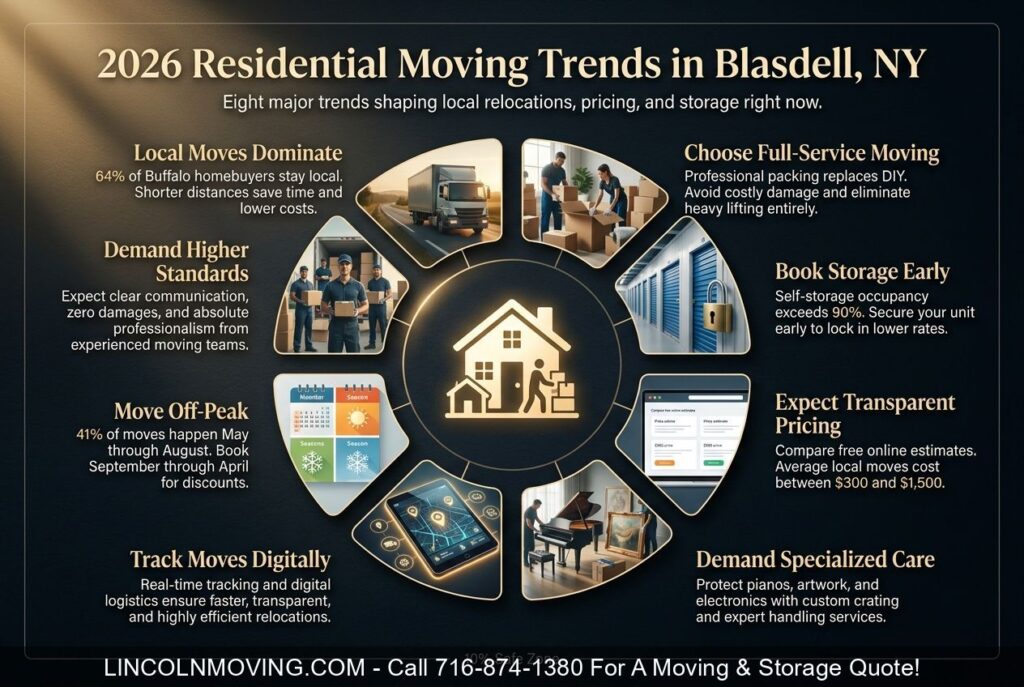
Managing Local Relocation Expenses for 2026
- and annual median home sales price boost (2026 typical existing-home prices vs. 2025).
Buying a home in 2026 will look extremely different from previous years, and if you're preparing ahead, you're already one step ahead of most buyers. With shifting interest rates, developing loan requirements, and a competitive real estate market, needs mindful preparation, reasonable budgeting, and a clear understanding of what lending institutions and sellers expect.
Before leaping into listings, it's important to understand the environment you're buying in. In 2026, buyers need to anticipate: Continued focus on cost and worth More data-driven pricing from sellers Strong competitors in preferable locations Increased significance of pre-approvals and clean deals Understanding these trends enables you to move with self-confidence instead of responding mentally.
Start by determining just how much home you can conveniently affordnot simply what a lender authorizes. Consider: Monthly home mortgage payments Real estate tax and insurance coverage HOA fees (if relevant) Maintenance and utilities A great general rule is to keep your housing costs under 30% of your regular monthly earnings. Many purchasers focus just on the deposit, but in 2026 you'll also need funds for: Closing expenses (25% of the purchase rate) Moving expenses Initial repairs or upgrades Emergency situation cost savings after closing Being economically ready makes your deal stronger and decreases post-purchase tension.
Review your credit report for mistakes Pay down high-interest debt Prevent opening brand-new credit limit Make all payments on time Even a small boost in your credit rating can save you thousands over the life of your loan. According to, greater credit history typically qualify buyers for lower mortgage rates, making early preparation necessary.
Comparing Modern Apartments for Rent in 2026
Reveals sellers you're a severe purchaser Provides you a clear cost range Accelerate the closing process Enhances your negotiating position A pre-approval requires verified earnings, possessions, and creditmaking it even more powerful than an easy pre-qualification. Having your documents ready can conserve weeks during the purchasing procedure. Common documents include: Government-issued ID Recent pay stubs Tax returns (last 2 years) Bank declarations Evidence of additional earnings Employment verification Arrange these digitally so you can send them rapidly when required.

Latest Posts

Complete Relocation House Guide for 2026
Researching Modern Apartments for Rent in 2026
Modern Housing Relocation Insights to Watch